As any parent or caregiver knows, the early years of a child’s life are critical for development. At three years old, children are curious, energetic, and eager to explore the world around them. Play is not just a way for them to have fun; it is a fundamental component of their growth and learning. In this article, we will explore the power of play and share activities that nurture the physical, emotional, social, and cognitive development of three-year-olds.
Understanding the Importance of Play
A Foundation for Learning
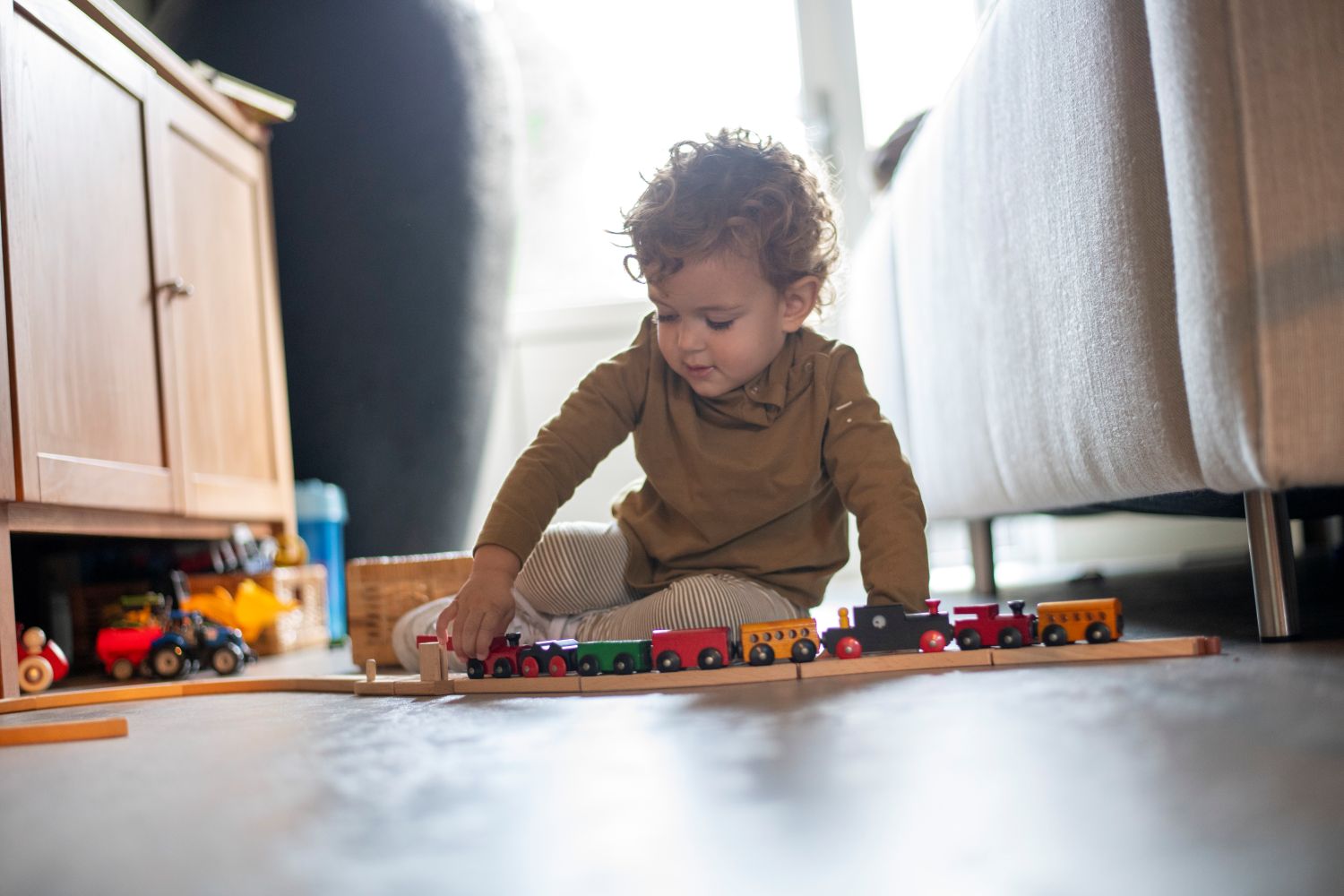
Play is often referred to as a child’s “work.” Through play, children learn about their environment, develop new skills, and discover their interests. It fosters creativity and imagination, allowing them to express themselves in unique ways. At the age of three, children engage in various types of play, including solitary, parallel, and cooperative play, each contributing to different aspects of their development.
Physical Development
Physical play helps young children build coordination, strength, and motor skills. Activities that involve movement not only promote physical health but also enhance their ability to navigate their surroundings. This is essential for their overall growth and development.
Emotional and Social Growth
Play provides opportunities for children to interact with others, helping them develop social skills such as sharing, taking turns, and communicating. Through play, they also learn to express and manage their emotions, which is crucial for emotional intelligence.
Cognitive Development
Engaging in play stimulates cognitive development. It encourages problem-solving, critical thinking, and creativity. Activities that challenge their minds help children develop essential skills that will benefit them in school and beyond.
Activities to Nurture Growth
1. Sensory Play
What It Is: Sensory play involves activities that engage a child’s senses—touch, sight, sound, taste, and smell.
Activities:
- Sensory Bins: Fill a bin with rice, beans, or sand and add scoops, cups, and small toys for exploration. This encourages fine motor skills and sensory exploration.
- Play Dough: Provide homemade or store-bought play dough for children to mold and shape. This activity enhances hand strength and creativity.
2. Outdoor Play
What It Is: Outdoor play allows children to explore nature and engage in physical activities.
Activities:
- Nature Walks: Take a walk in a park or nature reserve. Encourage children to collect leaves, rocks, or flowers, fostering curiosity about the environment.
- Obstacle Courses: Set up a simple obstacle course using cones, hula hoops, and tunnels. This promotes gross motor skills and coordination.
3. Creative Arts and Crafts
What It Is: Art activities encourage self-expression and creativity.
Activities:
- Painting: Provide washable paints and large sheets of paper for free painting. This allows children to express their feelings and ideas through art.
- Collage Making: Gather various materials such as magazines, fabric scraps, and stickers. Let children create their own collages, which enhances their fine motor skills and creativity.
4. Pretend Play
What It Is: Pretend play allows children to role-play and use their imagination.
Activities:
- Dramatic Play: Set up a play kitchen or a mini grocery store. Children can pretend to cook, shop, or serve food, helping them develop social skills and understand everyday life.
- Dress-Up: Provide costumes and props for children to dress up as their favorite characters. This encourages imaginative play and storytelling.
5. Music and Movement
What It Is: Music and movement activities help children develop rhythm, coordination, and social skills.
Activities:
- Dance Party: Play lively music and encourage children to dance freely. This promotes physical activity and self-expression.
- Musical Instruments: Introduce simple instruments like tambourines or maracas. Playing along with music enhances listening skills and coordination.
6. Simple Games
What It Is: Games that involve following rules and taking turns help children develop social skills and cognitive abilities.
Activities:
- Simon Says: This classic game encourages listening skills and following instructions while being active.
- Memory Games: Use cards with pictures or simple shapes to create a memory matching game. This helps improve memory and cognitive skills.
Conclusion
The power of play is undeniable when it comes to nurturing the growth of three-year-olds. Engaging in various activities enhances their physical, emotional, social, and cognitive development. By providing opportunities for sensory exploration, outdoor adventures, creative arts, pretend play, music, and simple games, caregivers can support their children in developing essential skills that will serve as a foundation for lifelong learning. Remember, play is not just a pastime; it is an essential part of a child’s growth journey. So, embrace the joy of play and watch your little ones thrive!